 Image 1 of 4
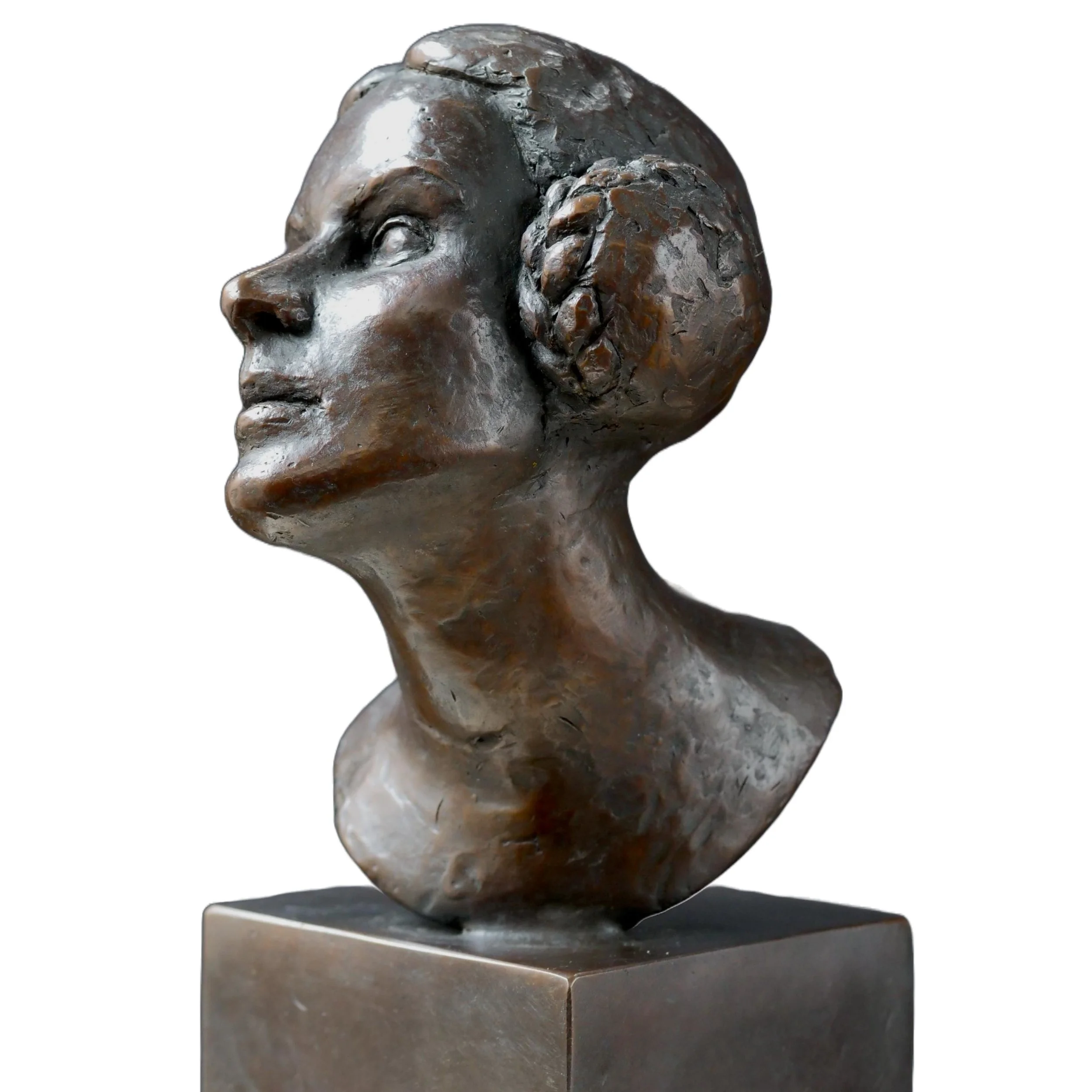 Image 2 of 4
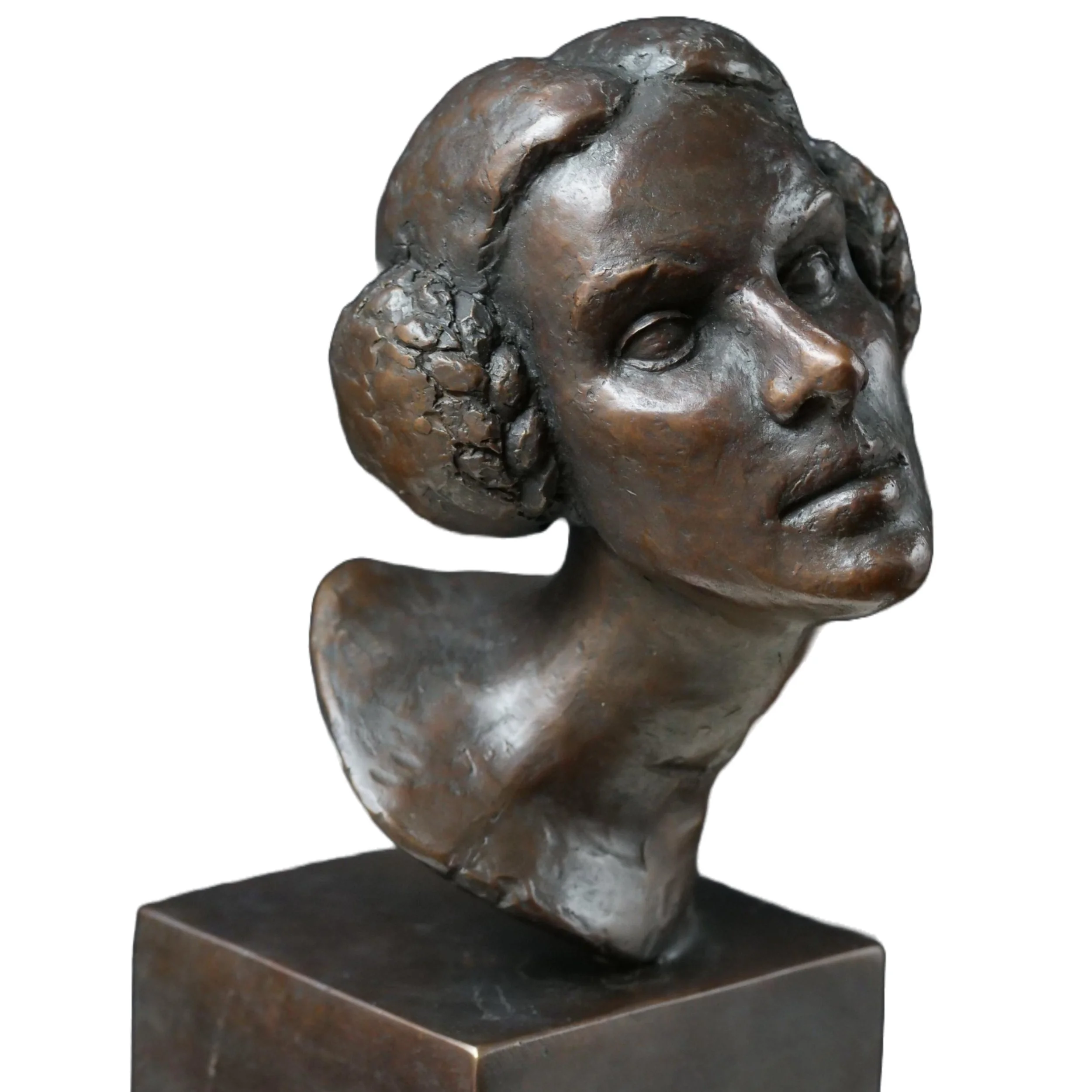 Image 3 of 4
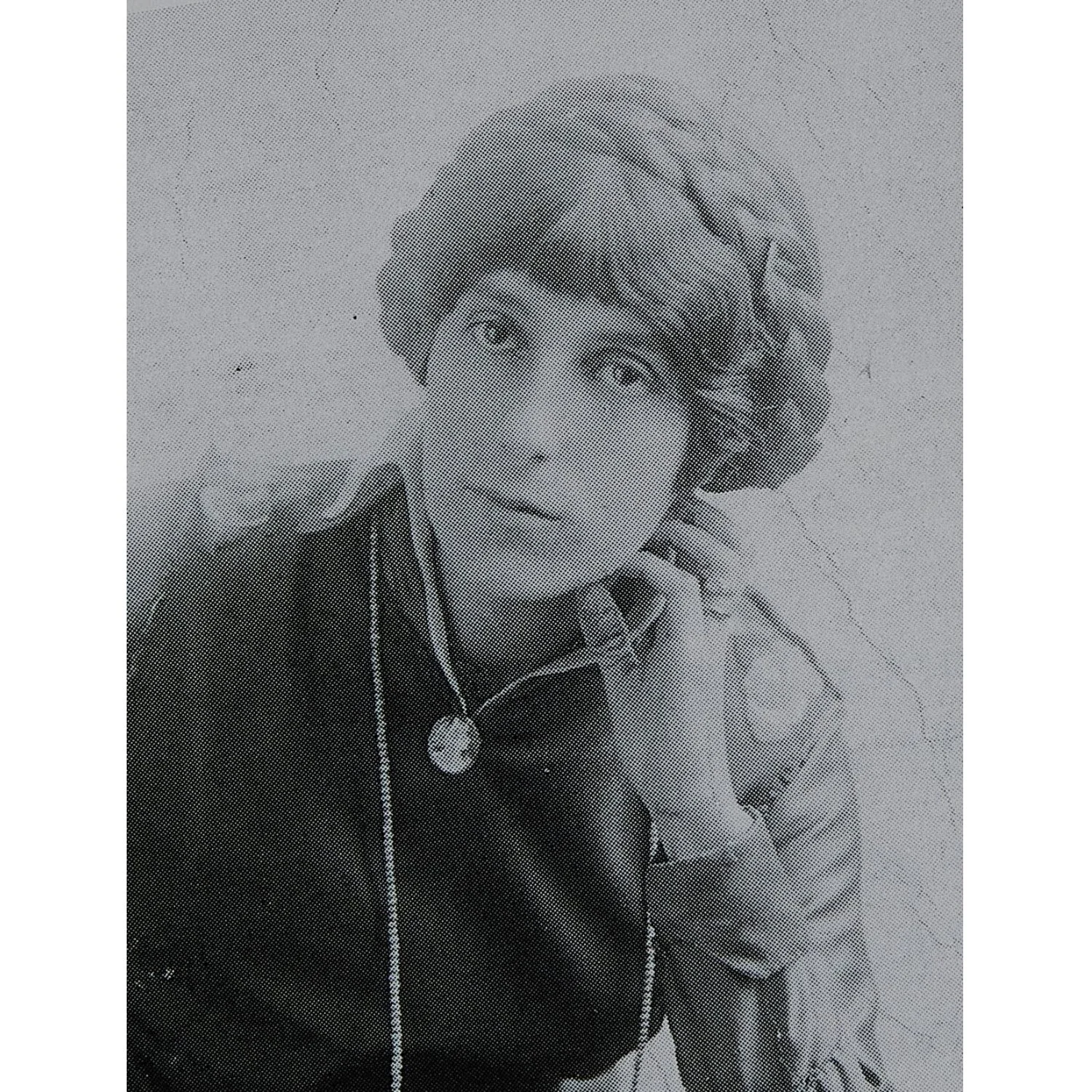 Image 4 of 4
€ Enquire
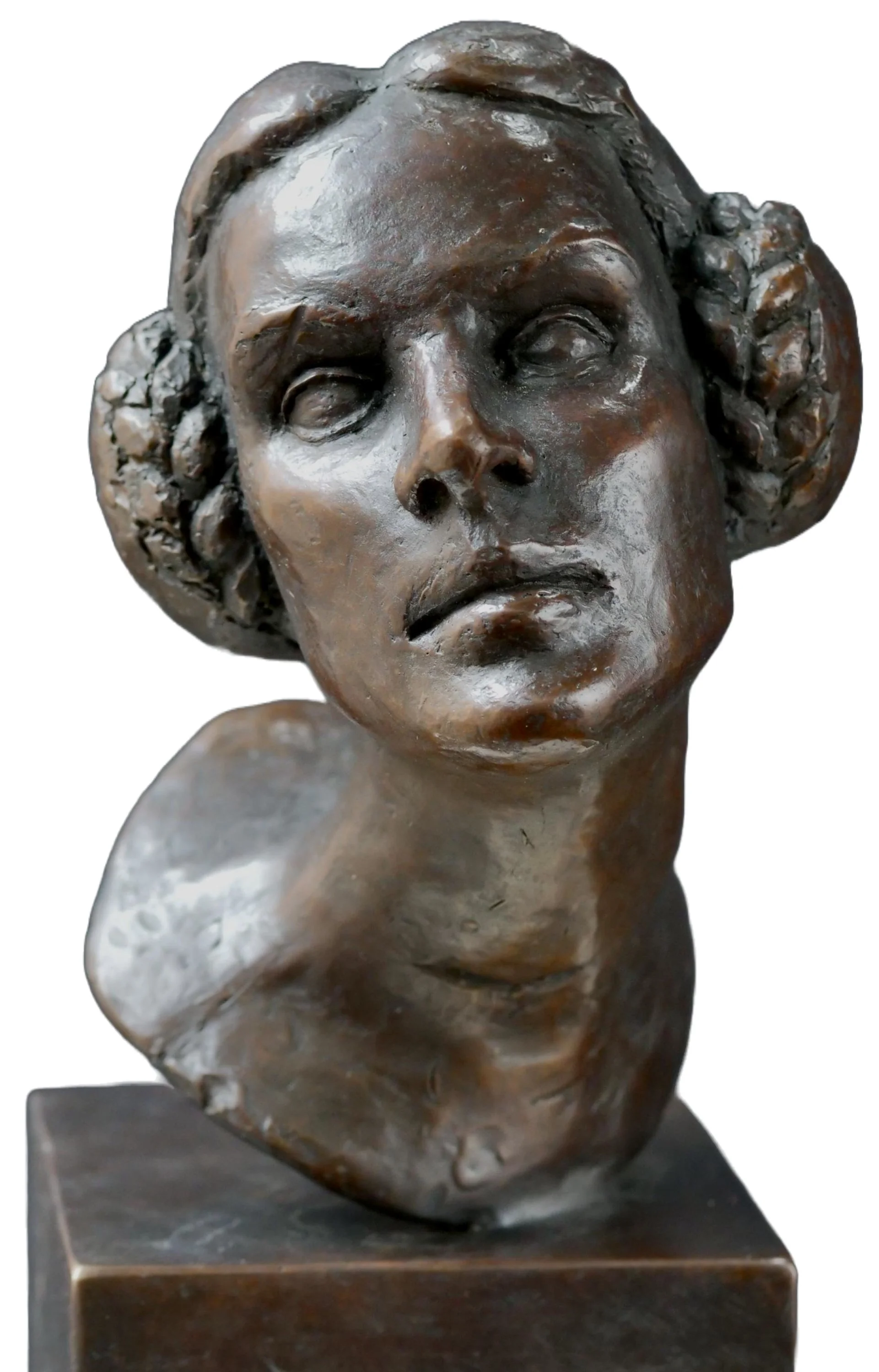
May Botterell c. 1925-26
Bronze, ht 28.3 (including base)
Limited Edition of 9
Produced by Cast Bronze Sculpture Ltd from the original maquette in wax, the only known study for the larger bronze, ‘May’, in the National Gallery of Ireland
Leech first met May Botterell, after the Botterell family’s return from Holland to London, in 1919, through his brother Cecil, the 3rd son in the Leech family of five children. Cecil was a Major in the Royal Artillery (Portrait of Lieutenant C.J.F. Leech, R.F.A, reproduced in colour Denise Ferran, William John Leech, An Irish Painter Abroad, pp. 130-131) and had been a prisoner in a German prisoner of war camp, for four years. Cecil Leech had worked with May Botterell, who had accompanied her husband to the Hague with her two younger children and had organised a relief centre for released prisoners, providing clothes, money and information to aid prisoners in their repatriation. It was Cecil Leech who invited the Botterell family to his parents’ home after his return to London in 1919.
The war had not only disrupted Leech’s painting in France, but it had also led to the separation of he and his wife Elizabeth, who had remained in France. Percy Botterell, an important London lawyer, who was awarded a CBE for his services in The Hague, generously commissioned Leech to paint a portrait of himself, May and each of their three children. He also purchased Leech’s The Sunshade and The Convent Garden which Percy bequeathed to May on his death in 1952 and which she then donated to the National Gallery of Ireland. It was during Leech’s painting of the Botterell portraits that May and Bill Leech became friends and then after Elizabeth’s return to the USA in 1921 they became a devoted couple, although they did not marry until 1953 after Elizabeth’s death in 1951 and Percy in 1952, to avoid any scandal in a London of 1921.
May Botterell, neé Pearson, who was born on 18th May 1885, was the daughter of Isaac Pearson, the Director of Sunlight, which was later amalgamated into Lever Bros. The Pearson family lived in Hull, where they built Pearson Park for the workers in their factory. May was the fourth child in a large family. She was beautiful, cultured, rich and musical and her father left her a personal allowance of £600 per year. Percy had met May, through May’s brother Tom Pearson, when the two men were students together, at Trinity College, Oxford. Even after May’s relationship with Leech, Percy continued to look after his wife financially, providing her with a car and a crate of champagne each Christmas and she maintained close contact with her three children.
Bill Leech’s meeting of May Botterell was fortuitous, as his father Brougham Leech, who had made a disastrous investment in the film industry, losing his entire fortune, resulting in his sudden death in 1921 and the sale of the family home, which had been Leech’s London home since the family left Dublin in 1910. May became Leech’s model from 1919 onwards, sitting reading, or walking on the beach, darning at the window and May’s friends became Leech’s friends. Although May enabled and supported Leech in his artistic output, he really confined his exhibiting to the RHA in Dublin and not attracting any attention to himself or his relationship, accordingly without publicity, he faded from the gallery scene.
In 1925-26, Leech completed the only three-dimensional work known to exist and of course it is of his beloved May. The photograph of May, as illustrated, shows her with her long hair plaited in long plaits which she then twisted around her head. It is this image that Leech used to make his small maquette in wax wax which has now been cast in bronze. The larger head of May, also cast in bronze, portrays her with a fashionable bob, which is also apparent in Leech’s gouache May and my head of May, illustrated Ferran, pp. 216 & 217. This smaller, earlier bust, is a study for the larger work and both the larger plaster head, now in the National Gallery of Ireland and this smaller wax maquette, were in Leech’s studio when he died suddenly in 1968 and were then acquired by Alan Denson through his friendship with Leech’s housekeeper Mrs Mitchell, to whom Leech had bequeathed his home and its contents.
Denise Ferran, September 2026
Literature: Denson, 1968, p.16, fig.5: Denson, 1971, No. 199. Ferran, 1996, pp. 216 - 217
Photograph: May Botterell, photograph. Reproduced in Denise Ferran, William John Leech: An Irish Painter Abroad (National Gallery of Ireland, 1996)
€ Enquire
May Botterell c. 1925-26
Bronze, ht 28.3 (including base)
Limited Edition of 9
Produced by Cast Bronze Sculpture Ltd from the original maquette in wax, the only known study for the larger bronze, ‘May’, in the National Gallery of Ireland
Leech first met May Botterell, after the Botterell family’s return from Holland to London, in 1919, through his brother Cecil, the 3rd son in the Leech family of five children. Cecil was a Major in the Royal Artillery (Portrait of Lieutenant C.J.F. Leech, R.F.A, reproduced in colour Denise Ferran, William John Leech, An Irish Painter Abroad, pp. 130-131) and had been a prisoner in a German prisoner of war camp, for four years. Cecil Leech had worked with May Botterell, who had accompanied her husband to the Hague with her two younger children and had organised a relief centre for released prisoners, providing clothes, money and information to aid prisoners in their repatriation. It was Cecil Leech who invited the Botterell family to his parents’ home after his return to London in 1919.
The war had not only disrupted Leech’s painting in France, but it had also led to the separation of he and his wife Elizabeth, who had remained in France. Percy Botterell, an important London lawyer, who was awarded a CBE for his services in The Hague, generously commissioned Leech to paint a portrait of himself, May and each of their three children. He also purchased Leech’s The Sunshade and The Convent Garden which Percy bequeathed to May on his death in 1952 and which she then donated to the National Gallery of Ireland. It was during Leech’s painting of the Botterell portraits that May and Bill Leech became friends and then after Elizabeth’s return to the USA in 1921 they became a devoted couple, although they did not marry until 1953 after Elizabeth’s death in 1951 and Percy in 1952, to avoid any scandal in a London of 1921.
May Botterell, neé Pearson, who was born on 18th May 1885, was the daughter of Isaac Pearson, the Director of Sunlight, which was later amalgamated into Lever Bros. The Pearson family lived in Hull, where they built Pearson Park for the workers in their factory. May was the fourth child in a large family. She was beautiful, cultured, rich and musical and her father left her a personal allowance of £600 per year. Percy had met May, through May’s brother Tom Pearson, when the two men were students together, at Trinity College, Oxford. Even after May’s relationship with Leech, Percy continued to look after his wife financially, providing her with a car and a crate of champagne each Christmas and she maintained close contact with her three children.
Bill Leech’s meeting of May Botterell was fortuitous, as his father Brougham Leech, who had made a disastrous investment in the film industry, losing his entire fortune, resulting in his sudden death in 1921 and the sale of the family home, which had been Leech’s London home since the family left Dublin in 1910. May became Leech’s model from 1919 onwards, sitting reading, or walking on the beach, darning at the window and May’s friends became Leech’s friends. Although May enabled and supported Leech in his artistic output, he really confined his exhibiting to the RHA in Dublin and not attracting any attention to himself or his relationship, accordingly without publicity, he faded from the gallery scene.
In 1925-26, Leech completed the only three-dimensional work known to exist and of course it is of his beloved May. The photograph of May, as illustrated, shows her with her long hair plaited in long plaits which she then twisted around her head. It is this image that Leech used to make his small maquette in wax wax which has now been cast in bronze. The larger head of May, also cast in bronze, portrays her with a fashionable bob, which is also apparent in Leech’s gouache May and my head of May, illustrated Ferran, pp. 216 & 217. This smaller, earlier bust, is a study for the larger work and both the larger plaster head, now in the National Gallery of Ireland and this smaller wax maquette, were in Leech’s studio when he died suddenly in 1968 and were then acquired by Alan Denson through his friendship with Leech’s housekeeper Mrs Mitchell, to whom Leech had bequeathed his home and its contents.
Denise Ferran, September 2026
Literature: Denson, 1968, p.16, fig.5: Denson, 1971, No. 199. Ferran, 1996, pp. 216 - 217
Photograph: May Botterell, photograph. Reproduced in Denise Ferran, William John Leech: An Irish Painter Abroad (National Gallery of Ireland, 1996)